

Section 179 Roof Deduction: How Commercial Property Owners Can Save
Section 179 allows commercial property owners to deduct the cost of certain building improvements, including roofing. This can significantly reduce the upfront financial burden of a roof project.
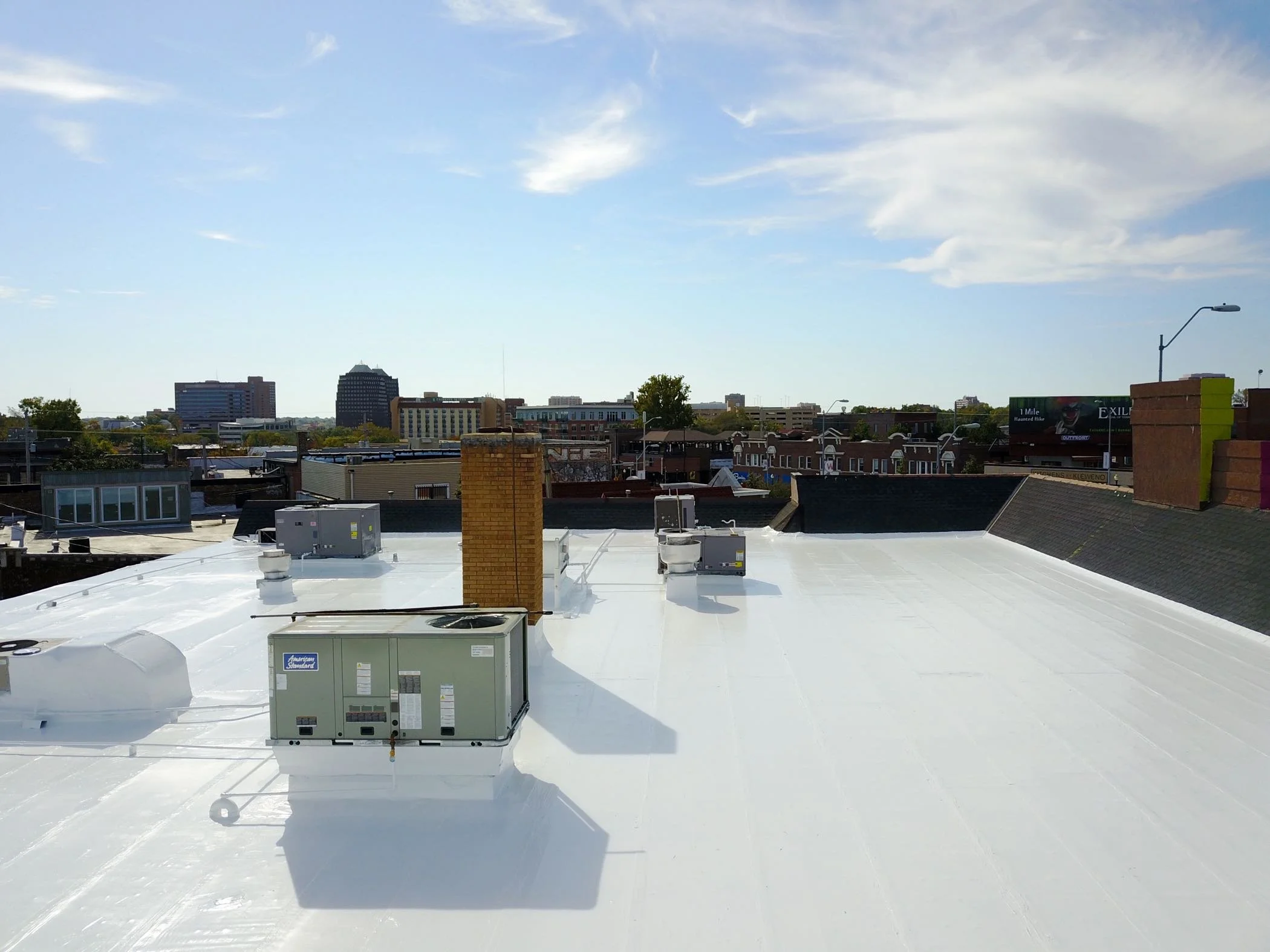
What Is the Section 179 Deduction
Tax Deduction for Improvements – Section 179 allows businesses to deduct qualifying improvements in the same year they are completed.
Applies to Commercial Roofs – Roofing systems for existing commercial buildings typically qualify under this deduction.
Immediate Savings – Instead of depreciating over decades, the cost can often be written off in one year.
Eligibility Matters – The building must be used for business, and the work must meet IRS guidelines.
Qualifying Roofing Systems
Roof Replacement – Full replacements on existing commercial buildings are generally eligible.
Roof Coatings – Restoration systems may also qualify if they are considered improvements.
Learn more
TPO Roofing – Energy-efficient systems commonly used in commercial replacements.
Learn more

How to Take Advantage of Section 179
Confirm your building qualifies as commercial property
Ensure the project is completed within the tax year
Work with a contractor familiar with qualifying systems
Consult a tax professional to verify eligibility and limits
Long-Term Considerations
Financial Impact – Reduces taxable income, improving overall project affordability
Lifespan – New roofing systems still provide 15–25+ years of protection
Maintenance – Routine inspections protect your investment after installation
Performance – Modern systems improve energy efficiency and building protection
Section 179 can make a major difference in the cost of a commercial roofing project. Choosing the right system ensures you benefit both financially and long-term.